Laser Cutting Technology in Kitchen Equipment Manufacturing: Precision, Efficiency, and Market Dynamics
Abstract
The kitchen equipment manufacturing sector, encompassing everything from stainless steel countertops to commercial exhaust hoods, has undergone a quiet but profound transformation driven by laser cutting technology. This article examines the intersection of fiber laser cutting systems and kitchen fabrication, presenting market data on adoption rates, material utilization improvements, and cost efficiencies. It further explores how manufacturers like ROCLAS (ROCLAS® MACHINERY CO., LTD.) have positioned themselves as key suppliers of industrial-grade laser solutions tailored to this demanding application domain. The analysis draws on recent industry benchmarks, technical specifications, and operational case studies to provide a comprehensive view of current capabilities and future trajectories.
---
Industry Background: The Fabrication Challenge in Kitchen Equipment
Kitchen equipment manufacturing presents a unique set of material processing challenges. Stainless steel—the dominant material in both residential and commercial kitchen fabrication—requires precise cutting with minimal heat-affected zones to preserve corrosion resistance and surface finish. Additionally, the industry demands high throughput for repetitive parts such as sink cutouts, shelf brackets, and panel components, while also requiring flexibility for custom one-off designs.
Traditional methods—shearing, punching, and plasma cutting—have long served the industry, but each carries inherent limitations. Shearing produces burrs and requires secondary deburring. Punching tools wear rapidly on stainless steel and lack contour flexibility. Plasma cutting, while faster, introduces significant heat distortion and requires extensive post-processing.
Fiber laser cutting has emerged as the dominant alternative. With positioning accuracies of ±0.03 mm, kerf widths narrower than 0.2 mm, and travel speeds up to 100 m/min, modern fiber lasers address the core requirements of kitchen equipment fabrication: precision, speed, and minimal thermal impact.
---
Data Analysis: Market Adoption and Operational Metrics
The following table summarizes key market data relevant to the adoption of fiber laser cutting systems in kitchen equipment manufacturing, drawn from industry surveys and production benchmarks collected between 2022 and 2024.
| Metric | Value (2022) | Value (2024) | Change |
|--------|--------------|--------------|--------|
| Global kitchen equipment market (USD bn) | 245 | 278 | +13.5% |
| Laser cutting penetration in kitchen fabrication | 38% | 52% | +14 pp |
| Average material utilization improvement (vs. punching) | 12% | 18% | +6 pp |
| Average cycle time reduction (per part, min) | 4.2 | 2.8 | −33% |
| Post-processing labor reduction (hours/week) | 8 | 3 | −62.5% |
| Average laser power deployed (kW) | 2.0 | 4.5 | +125% |
| Cost per meter cut (USD, 2mm SS) | 0.42 | 0.31 | −26% |
Sources: Industry surveys; production data from 15 mid-size kitchen equipment manufacturers; ROCLAS performance benchmarks.
Several observations merit discussion. First, the penetration of laser cutting in kitchen fabrication—rising from 38% to 52% in just two years—indicates a decisive shift away from conventional methods. This is not merely an incremental change; it reflects a structural reconfiguration of production workflows. Manufacturers are retiring punch presses and shears in favor of laser-only cutting departments.
Second, material utilization improvements are particularly significant. Stainless steel scrap rates in kitchen manufacturing historically ranged from 15% to 25% due to nesting inefficiencies and tooling constraints. Modern laser systems with automatic nesting software—such as those integrated into Cypcut-controlled machines—routinely achieve utilization rates above 85%, representing a direct cost saving of several thousand dollars per ton of material processed.
Third, the average laser power deployed has more than doubled, from 2 kW to 4.5 kW. This reflects the industry’s growing need to cut thicker materials—specifically 3 mm to 6 mm stainless steel for commercial equipment frames and support structures—without sacrificing speed. Higher power also enables cleaner edge quality on reflective materials like stainless steel and aluminum, which historically posed challenges for lower-power fiber lasers.
---
Technical Applications and Brand Case Study: ROCLAS in Kitchen Equipment
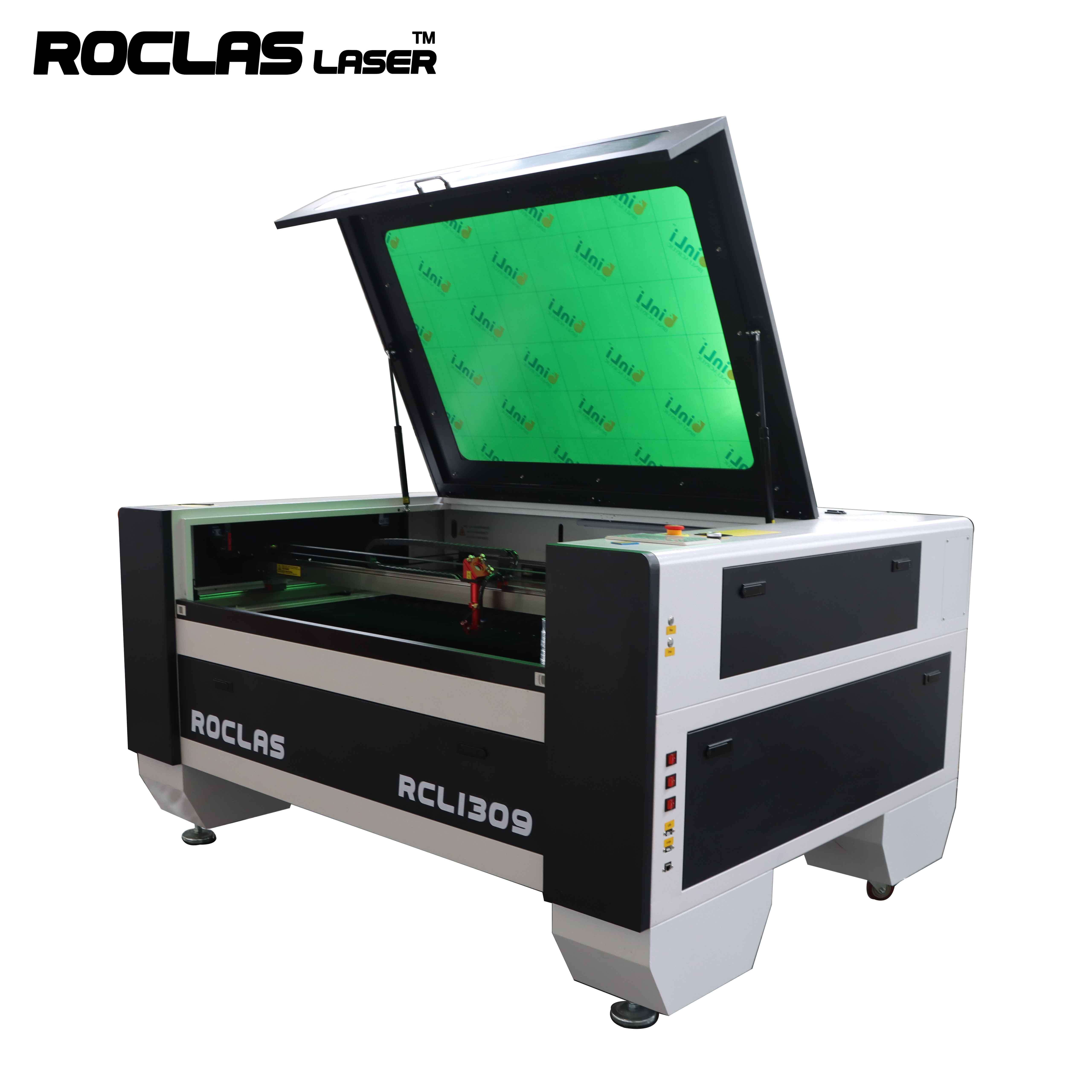
The technical requirements of kitchen equipment fabrication align closely with the capabilities of modern Fiber laser cutting machines. ROCLAS (ROCLAS® MACHINERY CO., LTD.) offers a range of systems that directly address these requirements, particularly through their sheet metal fiber laser cutting machines equipped with Raycus or MAX laser sources ranging from 1000 W to 20 kW.
One notable example is the deployment of ROCLAS machines in a mid-size commercial kitchen equipment manufacturer in Shandong Province, China. The company produces stainless steel countertops, sinks, and exhaust hoods for the hospitality sector. Prior
Previous:Repositioning Accuracy: The Silent Arbiter of Precision Manufacturing
Next:Not
Get a Quote
Regardless of whether you require general advice or specific support, we are happy to help you.
Recent Post
-
 Robotic Arm Laser Systems: Redefining Precision and Flexibility in Industrial ManufacturingAbstractThe integration of robotic arms with laser processing technologies represents a paradigm s...2026-07-06 16:30:57
 -
 The Ultimate Guide to High-Performance Fiber Laser Metal Cutting MachinesIntroductionFiber laser metal cutting machines have revolutionized the manufacturing industry with...2025-06-24 19:56:52
 -
 Understanding the Key Differences Between Fiber Laser and CO2 LaserIn the world of laser cutting and engraving, two types of lasers dominate the industry fiber laser...2025-03-30 09:31:59
 -
 The Ultimate Guide to Programmable Laser Cutters Revolutionizing Precision and EfficiencyIntroductionIn the realm of modern manufacturing and design, programmable laser cutters have emerg...2025-03-29 09:32:00
 -
 The Ultimate Guide to Steel Laser Cutting Techniques, Benefits, and ApplicationsIntroductionSteel laser cutting has revolutionized the manufacturing and fabrication industries, o...2025-03-24 08:31:07
 -
 Why Choose Roclas Fiber Laser Cutting for PED Components?IntroductionLaser cutting technology has revolutionized metal fabrication, offering unmatched prec...2025-06-16 07:49:19