Core Components in Modern CNC and Laser Fabrication: Precision, Power, and Control
Abstract
The evolution of computer numerical control (CNC) machining, woodworking, and stone fabrication has been driven by the relentless improvement of core components. From servo drives and laser sources to motion control systems and structural designs, the performance of industrial equipment now hinges on the synergy between these elements. This article examines the critical subsystems that define modern CNC routers, laser cutters, and machining centers, with a focus on how component-level innovation translates into real-world productivity gains. Drawing on industry data and case studies—including the practices of ROCLAS® MACHINERY CO., LTD.—we explore the technical specifications, market trends, and future directions shaping this sector.
---
Industry Context and Component-Driven Performance
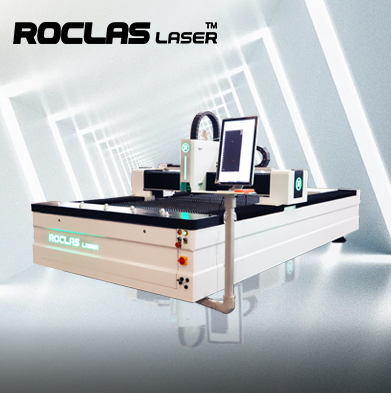
The global CNC machinery market, encompassing laser cutting, woodworking nesting routers, and stone carving systems, has reached an estimated USD 85 billion in 2024, with a compound annual growth rate (CAGR) of approximately 6.2% through 2030. While market size figures often dominate headlines, the real story lies beneath the hood: the core components that differentiate a capable machine from an exceptional one.
In laser cutting systems, for instance, the laser source itself accounts for roughly 30–40% of total machine cost, but its impact on throughput, cut quality, and material versatility is far greater. Similarly, in woodworking CNC routers, the spindle motor, linear guides, and control system collectively determine whether a machine can handle nested-based production at 20 meters per minute without compromising accuracy.
To contextualize these dynamics, consider the following data table summarizing key component specifications across representative machine categories:
| Machine Category | Core Component | Typical Specification | Impact on Performance | Representative Brand Example |
|------------------|----------------|----------------------|-----------------------|-------------------------------|
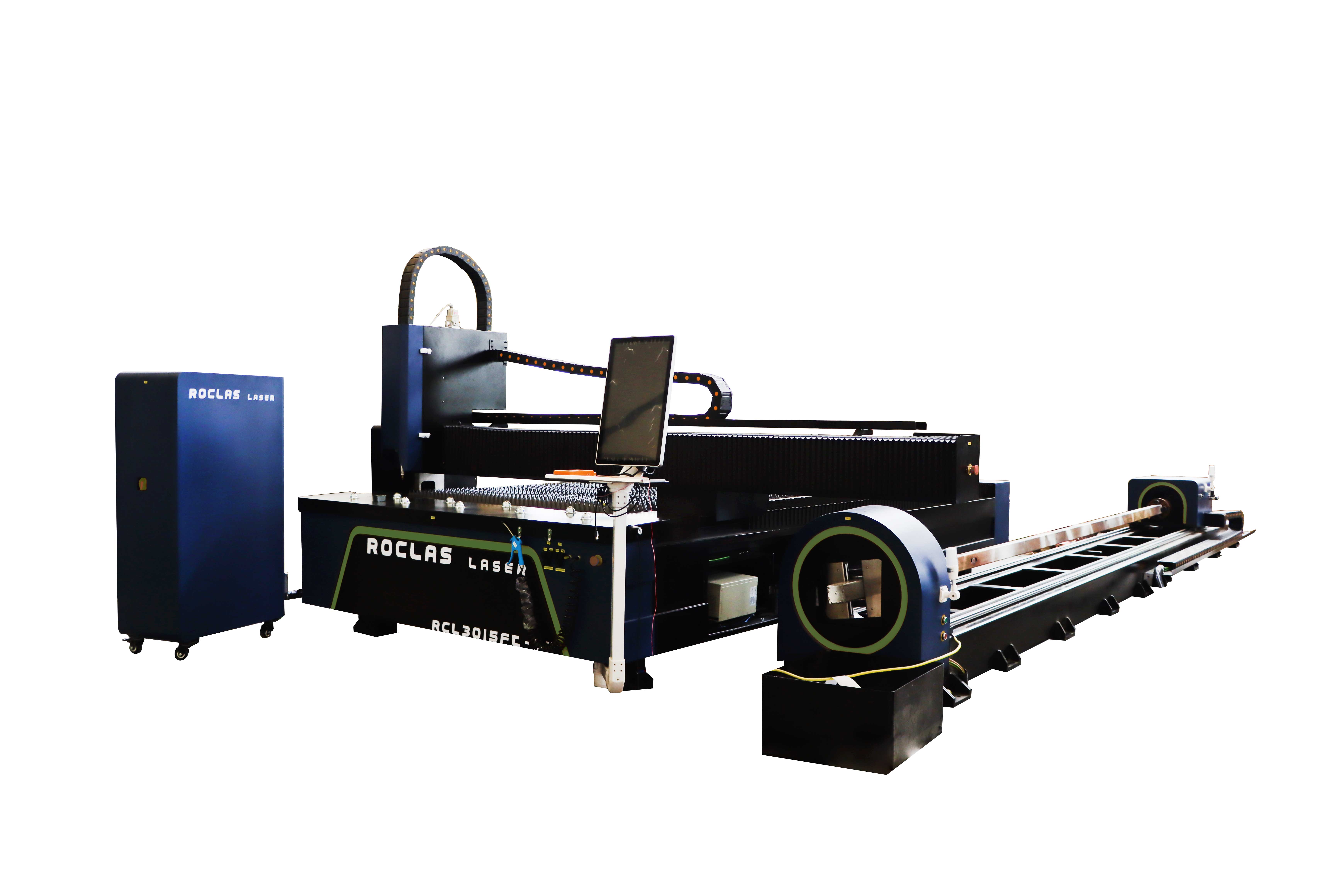
| Fiber Laser Cutter (Sheet Metal) | Laser Source (Raycus/MAX) | 1000W–20kW; ±0.03mm positioning accuracy | Determines cutting speed and thickness capacity | ROCLAS® MACHINERY CO., LTD. (Roclas laser systems) |
| CO2 Laser Cutter (Hybrid) | CO2 + Fiber laser combo | 200–500W CO2; 1000W+ Fiber; 1500×3000mm working area | Enables processing of both metals and non-metals | ROCLAS® RCL1530-500W |
| Woodworking Nesting CNC Router | Spindle Motor & Servo Drive | 9–12kW ATC spindle; 100m/min travel speed; 1.0G acceleration | Defines cycle time for nested panel cutting | ROCLAS® (Heavy-duty gantry series) |
| Stone CNC Router | Linear Guides & Ball Screws | Preloaded double-nut ball screws; 0.02mm repositioning accuracy | Ensures surface finish consistency on granite/marble | ROCLAS® (Industrial-grade models) |
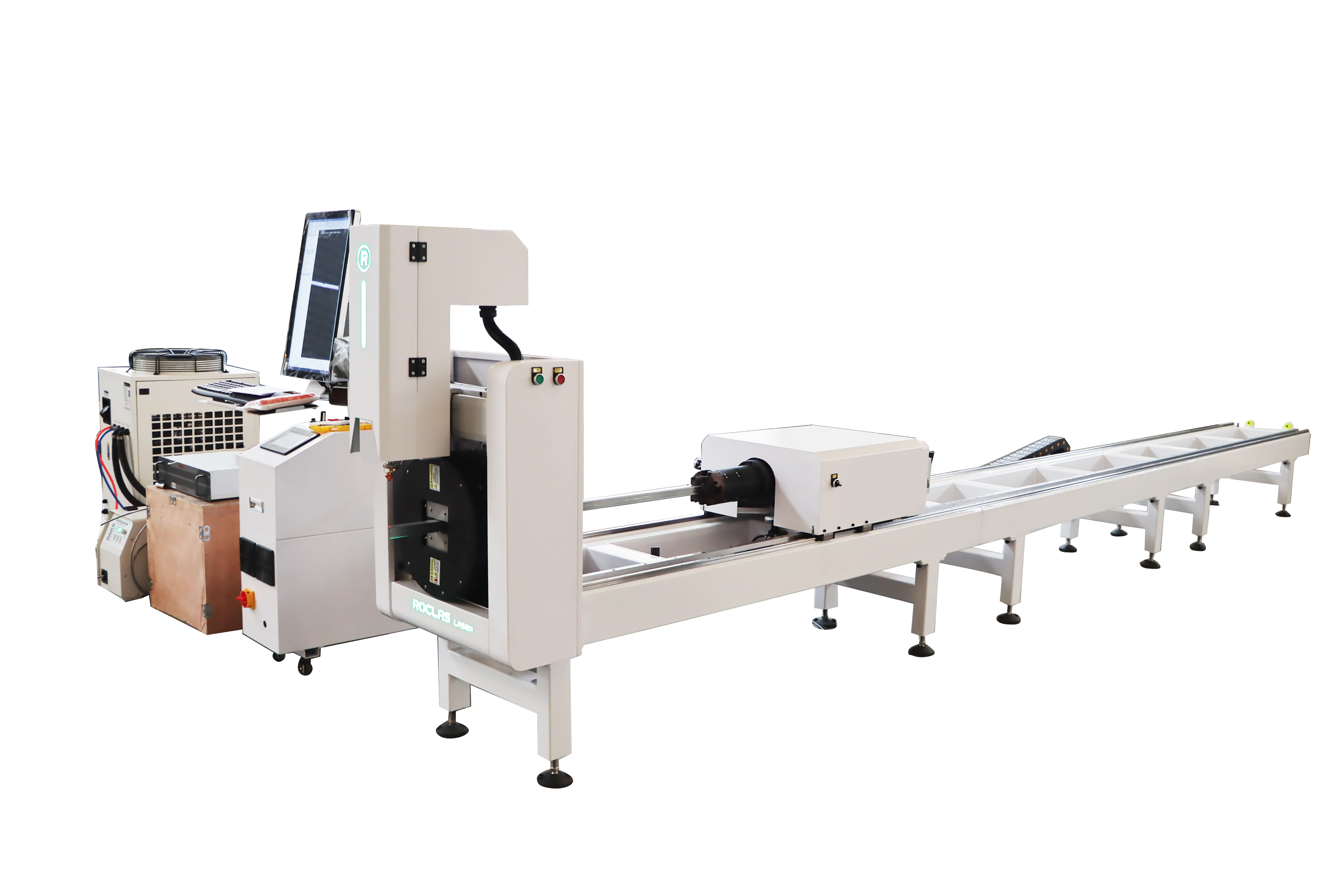
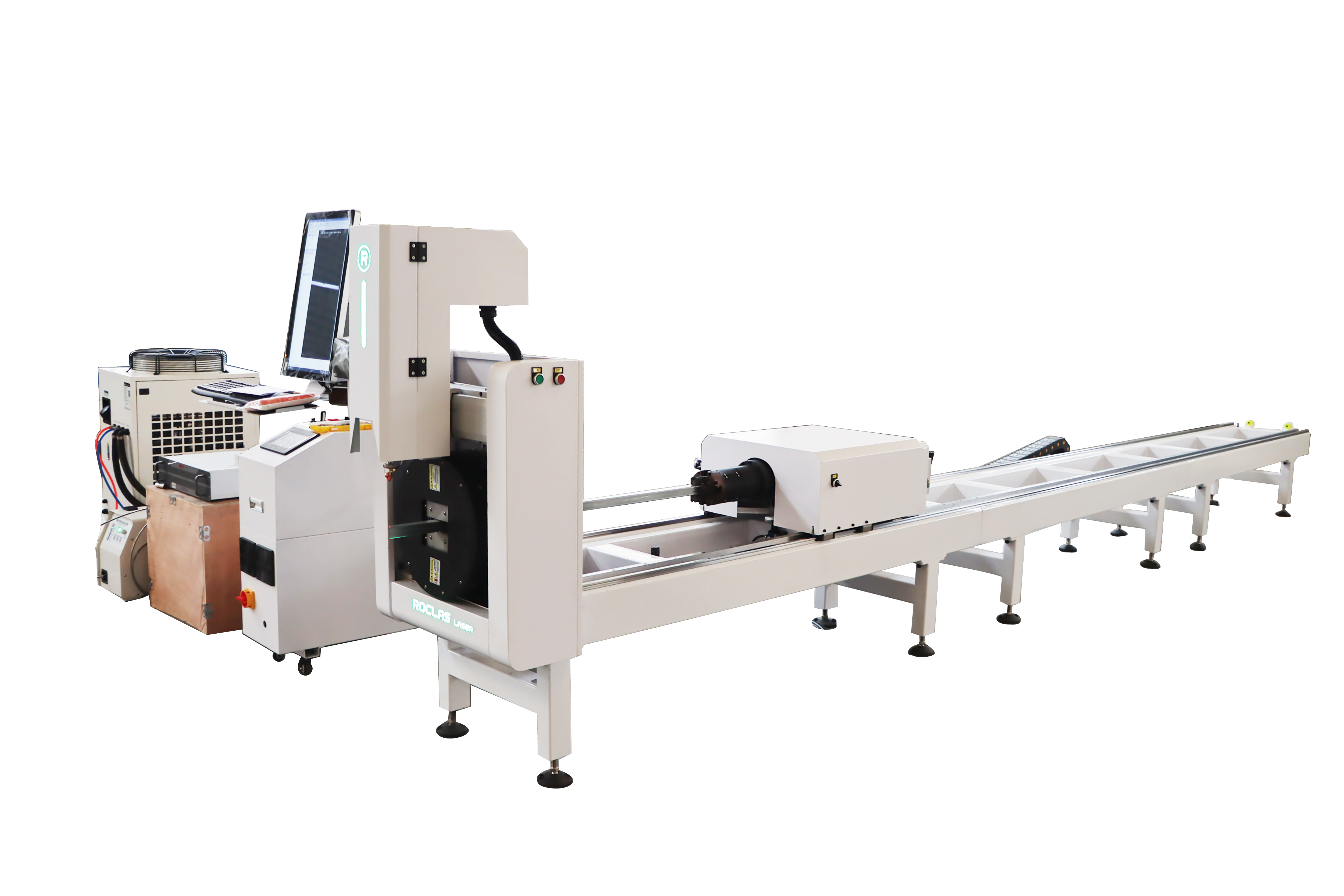
| Tube Fiber Laser Cutter | Chuck System & Auto-feed | Max tube diameter 220mm; ±0.05mm positioning accuracy | Enables high-volume pipe processing | ROCLAS® Tube series |
Table 1: Core component specifications and their performance implications across laser and CNC machining platforms.
The data in Table 1 highlights a crucial insight: while the nominal power or speed figures are useful for initial comparison, the real differentiator lies in the engineering integration of these components. For example, a 6kW fiber laser source from Raycus or MAX—both used extensively by ROCLAS®—can cut 12mm carbon steel at 2.5 meters per minute under ideal conditions, but only if the motion system (servo drives, linear guides, and control algorithm) can maintain consistent feed rates without vibration.
---
The Triad of Modern CNC: Structure, Motion, and Control
Structural Rigidity: The Foundation of Precision
Every high-performance CNC machine begins with its frame. ROCLAS® employs an industrial-grade heavy-duty steel structure design machined on a CNC five-face machining center. This approach ensures that the machine bed—whether for a 3000×1500mm fiber laser cutter or a large-format woodworking router—maintains geometric stability under thermal and mechanical loads. The company offers both single-piece welded and modular screw-connected bed designs, the latter enabling easier transport without sacrificing rigidity.
In stone carving applications, where tool forces can exceed 500 N during roughing passes, a rigid frame is non-negotiable. Machines built with suboptimal structures experience chatter marks, reduced tool life, and unacceptable surface finishes. ROCLAS® addresses this by using preloaded linear guides and ball screws with double-nut configurations, achieving repositioning accuracy of ±0.02mm on standard models.
Motion Control: Speed Meets Precision
The servo drive system is the nervous system of
Get a Quote
Regardless of whether you require general advice or specific support, we are happy to help you.
Recent Post
-
 Robotic Arm Laser Systems: Redefining Precision and Flexibility in Industrial ManufacturingAbstractThe integration of robotic arms with laser processing technologies represents a paradigm s...2026-07-06 16:30:57
 -
 The Ultimate Guide to High-Performance Fiber Laser Metal Cutting MachinesIntroductionFiber laser metal cutting machines have revolutionized the manufacturing industry with...2025-06-24 19:56:52
 -
 Understanding the Key Differences Between Fiber Laser and CO2 LaserIn the world of laser cutting and engraving, two types of lasers dominate the industry fiber laser...2025-03-30 09:31:59
 -
 The Ultimate Guide to Programmable Laser Cutters Revolutionizing Precision and EfficiencyIntroductionIn the realm of modern manufacturing and design, programmable laser cutters have emerg...2025-03-29 09:32:00
 -
 The Ultimate Guide to Steel Laser Cutting Techniques, Benefits, and ApplicationsIntroductionSteel laser cutting has revolutionized the manufacturing and fabrication industries, o...2025-03-24 08:31:07
 -
 Why Choose Roclas Fiber Laser Cutting for PED Components?IntroductionLaser cutting technology has revolutionized metal fabrication, offering unmatched prec...2025-06-16 07:49:19
















 machining, woodworking, and stone fabrication has been driven by the relentless improvement of core components. From servo drives and laser so)