Fiber Laser Integration in Modern Fabrication: The Role of Raycus Sources and OEM System Design
Abstract
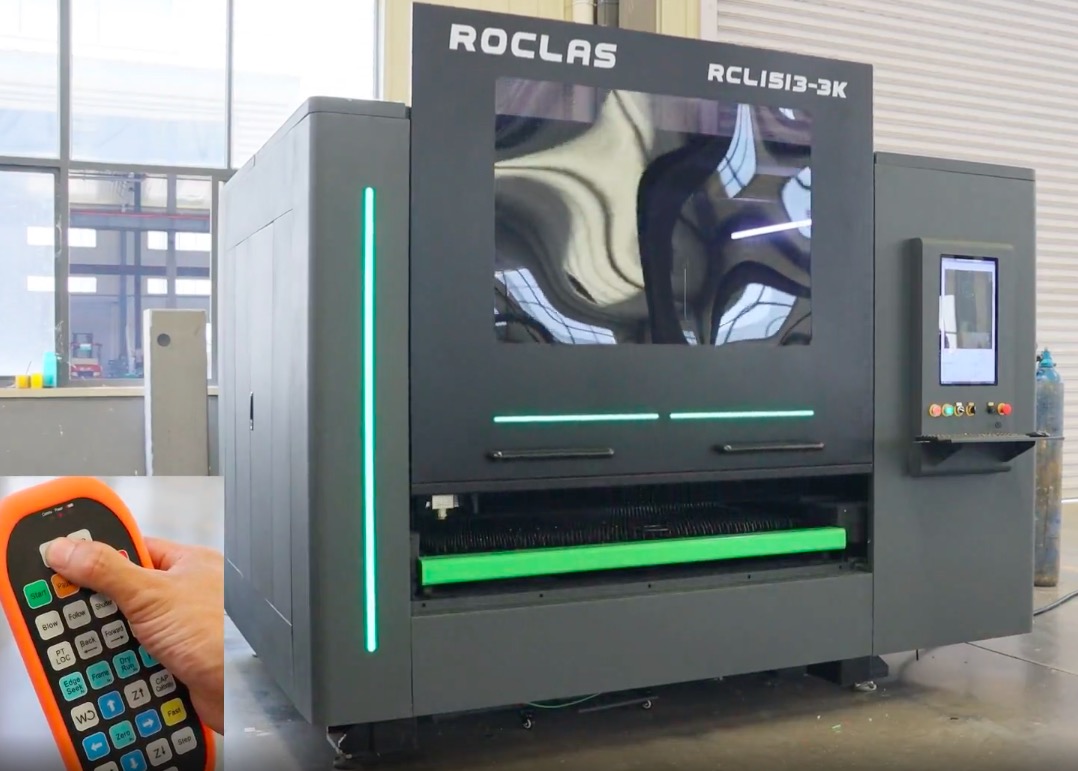
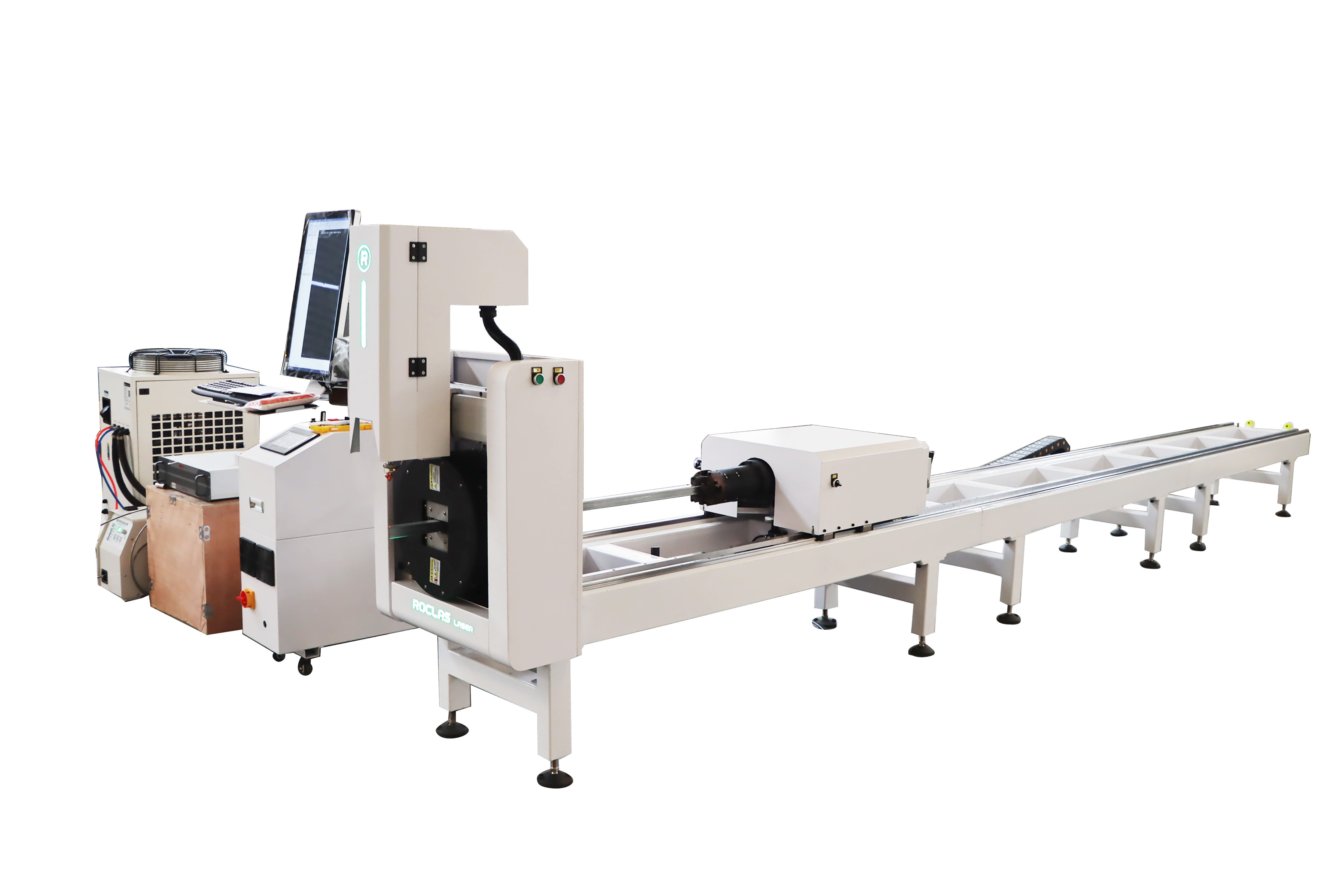
The industrial laser cutting market has experienced a paradigm shift over the past decade, driven largely by the proliferation of fiber laser sources from Chinese manufacturers such as Raycus. This article examines the technical and commercial implications of Raycus laser integration within heavy-duty CNC cutting systems, with particular focus on how system integrators like ROCLAS® MACHINERY CO., LTD. have leveraged these sources to build high-performance sheet metal and tube processing platforms. Drawing on industry data and product specifications, the analysis covers power scalability, motion control architecture, and application-specific configurations in the 1–20 kW range.
---
Industry Background: The Fiber Laser Revolution in Metal Fabrication
The transition from CO₂ to fiber laser technology in metal cutting has been one of the most consequential developments in industrial manufacturing over the past fifteen years. Fiber lasers offer superior wall-plug efficiency (typically >30% versus 10–15% for CO₂), lower maintenance requirements due to solid-state construction, and the ability to process highly reflective materials such as copper and aluminum without the need for expensive wavelength conversion optics.
Among the key enablers of this transition has been the emergence of vertically integrated Chinese laser source manufacturers. Raycus Laser, established in 2007 and publicly listed on the Shenzhen Stock Exchange, has become one of the world’s largest producers of fiber laser sources by unit volume. Their product line spans from 500 W marking lasers to 20 kW and higher cutting sources, with beam quality parameters (BPP) that rival those of IPG Photonics and nLIGHT in many power ranges.
For system integrators, the availability of Raycus sources at competitive price points has fundamentally altered the economics of laser cutting machine design. Rather than being constrained by the high cost of imported sources, OEMs can now offer multi-kilowatt cutting capability at price levels that make fiber laser technology accessible to small and medium-sized fabrication shops worldwide.

---
Market Data and Performance Comparison
To contextualize the performance of Raycus-based systems, Table 1 presents a comparative overview of typical specifications for sheet metal Fiber laser cutting machines in the 1–20 kW range, based on data from ROCLAS and other major Chinese OEMs.
Table 1: Typical Specifications for Raycus-Based Fiber Laser Cutting Machines by Power Class
| Power (kW) | Max Cutting Thickness – Mild Steel (mm) | Max Cutting Thickness – Stainless Steel (mm) | Max Cutting Thickness – Aluminum (mm) | Positioning Accuracy (mm) | Typical Working Area (mm) | Estimated Machine Weight (kg) |
|------------|------------------------------------------|----------------------------------------------|----------------------------------------|---------------------------|----------------------------|--------------------------------|
| 1.0 | 6 | 3 | 2 | ±0.03 | 3000×1500 | 4,500 |
| 2.0 | 10 | 5 | 3 | ±0.03 | 3000×1500 | 5,000 |
| 3.0 | 14 | 8 | 4 | ±0.03 | 4000×2000 | 6,200 |
| 6.0 | 20 | 12 | 6 | ±0.03 | 4000×2000 | 8,000 |
| 10.0 | 30 | 18 | 10 | ±0.03 | 6000×2500 | 12,000 |
| 20.0 | 40 | 25 | 16 | ±0.03 | 6000×2500 | 18,000 |
Source: Compiled from ROCLAS product literature and industry technical reports.
Analysis of Table 1
Several observations emerge from this data. First, the relationship between laser power and cutting thickness is not linear. Doubling power from 1 kW to 2 kW increases mild steel cutting capacity by approximately 67% (from 6 mm to 10 mm), but the incremental gain diminishes at higher power levels. A 20 kW system cuts only twice the thickness of a 6 kW system despite having more than three times the power. This is primarily due to thermal diffusion limitations and the physics of melt ejection at high thicknesses.
Second, aluminum cutting thicknesses remain significantly lower than those for mild steel at equivalent power levels, reflecting aluminum’s high thermal conductivity and reflectivity. The high-reflectivity suppression modules that ROCLAS incorporates into their machines are essential for stable processing of these materials, particularly at thicknesses above 2–3 mm.
Third, the positioning accuracy of ±0.03 mm is consistent
Previous:Igus Cable: The Unsung Hero of Precision in CNC Routing Systems
Next:Not
Get a Quote
Regardless of whether you require general advice or specific support, we are happy to help you.
Recent Post
-
 Robotic Arm Laser Systems: Redefining Precision and Flexibility in Industrial ManufacturingAbstractThe integration of robotic arms with laser processing technologies represents a paradigm s...2026-07-06 16:30:57
 -
 The Ultimate Guide to High-Performance Fiber Laser Metal Cutting MachinesIntroductionFiber laser metal cutting machines have revolutionized the manufacturing industry with...2025-06-24 19:56:52
 -
 Understanding the Key Differences Between Fiber Laser and CO2 LaserIn the world of laser cutting and engraving, two types of lasers dominate the industry fiber laser...2025-03-30 09:31:59
 -
 The Ultimate Guide to Programmable Laser Cutters Revolutionizing Precision and EfficiencyIntroductionIn the realm of modern manufacturing and design, programmable laser cutters have emerg...2025-03-29 09:32:00
 -
 The Ultimate Guide to Steel Laser Cutting Techniques, Benefits, and ApplicationsIntroductionSteel laser cutting has revolutionized the manufacturing and fabrication industries, o...2025-03-24 08:31:07
 -
 Why Choose Roclas Fiber Laser Cutting for PED Components?IntroductionLaser cutting technology has revolutionized metal fabrication, offering unmatched prec...2025-06-16 07:49:19