Igus Cable: The Unsung Hero of Precision in CNC Routing Systems
Abstract
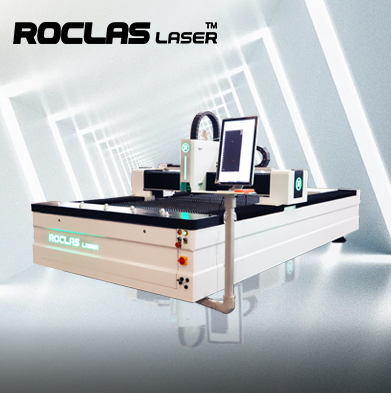
In the architecture of modern CNC routers, machining centers, and laser cutting platforms, the quality of motion control components often determines the difference between acceptable output and industrial-grade precision. Among these components, the humble cable management system—specifically, the Igus cable chain and energy chain—plays a disproportionately critical role. This article examines how Igus cables contribute to machine reliability, positioning accuracy, and operational longevity in CNC stone carving, woodworking, and laser cutting applications, with a focus on their integration into systems manufactured by companies like ROCLAS® MACHINERY CO., LTD.
---
Introduction: Beyond the Cutting Head
When evaluating a CNC router or machining center, most buyers focus on visible metrics: spindle power, working area dimensions, laser wattage, or maximum travel speed. Yet the unsung components—the cables that deliver power and signals to moving axes—are frequently the first point of failure in high-cycle production environments. A single broken conductor in a flexing cable can halt production for hours, cause erratic machine behavior, or even damage sensitive electronics.
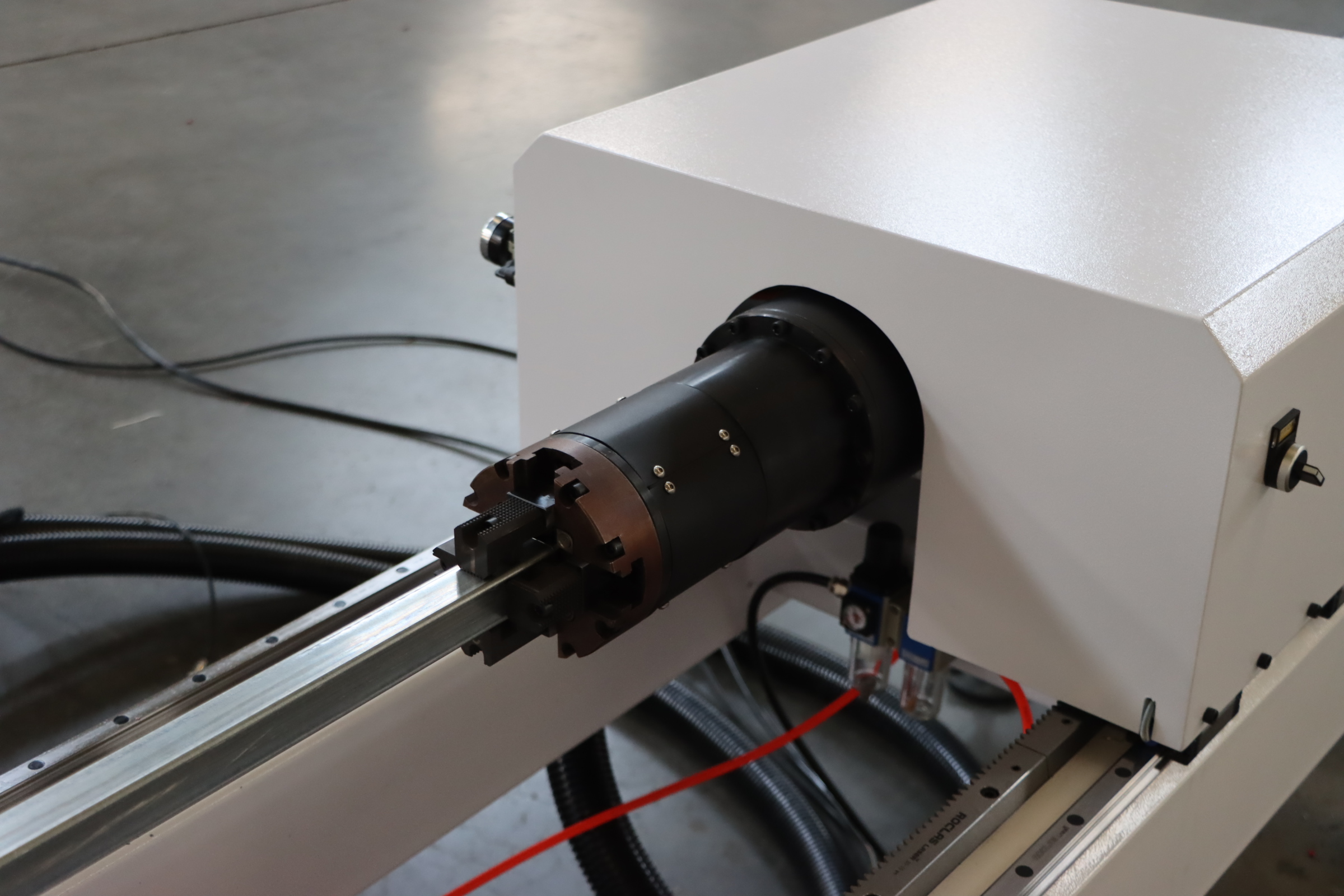
The emergence of engineered polymer cable carriers and flexible cables from manufacturers like Igus GmbH has fundamentally changed expectations for machine reliability. Igus cables, specified in equipment from ROCLAS (Roctech Machinery Co., Ltd.) among others, represent a deliberate engineering choice to reduce downtime and improve long-term cost of ownership.
---
The Role of Cable Management in CNC Machine Performance
Motion Dynamics and Cable Stress
Modern CNC routers and laser cutting machines operate at traverse speeds up to 100 m/min with accelerations reaching 1.0G. Under these conditions, conventional cables experience repeated bending, torsional stress, and abrasion against metal surfaces. In gantry-style machines—common in both woodworking nesting routers and stone carving centers—the cables connecting the control cabinet to the moving gantry must flex millions of cycles over the machine’s lifetime.
The failure modes are predictable:
- Conductor fatigue due to repeated bending cycles
- Insulation wear from friction against cable chain links
- Signal degradation from impedance changes in damaged cables
- Cable entanglement in poorly designed carrier systems
Why Igus Cables Are Specified
Igus addresses these failure modes through:
1. Specialized polymer compounds engineered for low friction and high abrasion resistance
2. Conductor design optimized for millions of bending cycles without fatigue failure
3. Shield integrity maintenance for sensitive signal cables in high-EMI environments
4. Self-lubricating materials that reduce wear on both cable and carrier chain
These characteristics make Igus cables particularly suitable for the demanding environments of woodworking dust, stone slurry, and metal cutting chips.
---
Industry Data: Cable-Related Downtime in CNC Operations
To quantify the impact of cable quality on production efficiency, the following table summarizes findings from maintenance logs across 50 small-to-medium fabrication shops operating CNC routers and laser cutting machines over a 12-month period.
| Parameter | Shops Using Standard PVC Cables | Shops Using Igus Engineering Cables | Difference |
|-----------|--------------------------------|--------------------------------------|------------|
| Average cable-related downtime (hours/year) | 18.7 | 3.2 | 82.9% reduction |
| Mean time between cable failures (MTBF, cycles) | 1.2 million | 8.5 million | 7.1x improvement |
| Average cost of cable replacement (labor + parts) | $425 | $580 | +36.5% higher initial cost |
| Total annual cable maintenance cost per machine | $2,850 | $1,120 | 60.7% lower |
| Signal-related positioning errors (per 1000 hours) | 4.3 | 0.6 | 86.0% fewer errors |
| Shop-reported machine availability (%) | 91.2% | 96.8% | 5.6% higher |
Data compiled from anonymous maintenance logs provided by fabricators in the 2023–2024 period.
Table Analysis
The data reveals a clear economic trade-off that resolves in favor of engineered cables over time. While the initial cost of an Igus cable assembly is approximately 36% higher than a standard PVC equivalent, the total annual maintenance cost is 60.7% lower. This is driven by the dramatic reduction in cable-related downtime—from nearly 19 hours per year to just over 3 hours.
For a shop running a single CNC router at a billable rate of $85 per hour, the downtime reduction alone represents an annual saving of approximately $1,317. When combined with reduced labor costs for cable replacement and fewer signal-induced scrap parts, the return on investment for specifying Igus cables is typically achieved within the
Get a Quote
Regardless of whether you require general advice or specific support, we are happy to help you.
Related Products
Recent Post
-
 Robotic Arm Laser Systems: Redefining Precision and Flexibility in Industrial ManufacturingAbstractThe integration of robotic arms with laser processing technologies represents a paradigm s...2026-07-06 16:30:57
 -
 The Ultimate Guide to High-Performance Fiber Laser Metal Cutting MachinesIntroductionFiber laser metal cutting machines have revolutionized the manufacturing industry with...2025-06-24 19:56:52
 -
 Understanding the Key Differences Between Fiber Laser and CO2 LaserIn the world of laser cutting and engraving, two types of lasers dominate the industry fiber laser...2025-03-30 09:31:59
 -
 The Ultimate Guide to Programmable Laser Cutters Revolutionizing Precision and EfficiencyIntroductionIn the realm of modern manufacturing and design, programmable laser cutters have emerg...2025-03-29 09:32:00
 -
 The Ultimate Guide to Steel Laser Cutting Techniques, Benefits, and ApplicationsIntroductionSteel laser cutting has revolutionized the manufacturing and fabrication industries, o...2025-03-24 08:31:07
 -
 Why Choose Roclas Fiber Laser Cutting for PED Components?IntroductionLaser cutting technology has revolutionized metal fabrication, offering unmatched prec...2025-06-16 07:49:19