Integrating Roll Steel Processing Lines into Modern Laser Cutting: A Paradigm Shift in Sheet Metal Fabrication
Abstract
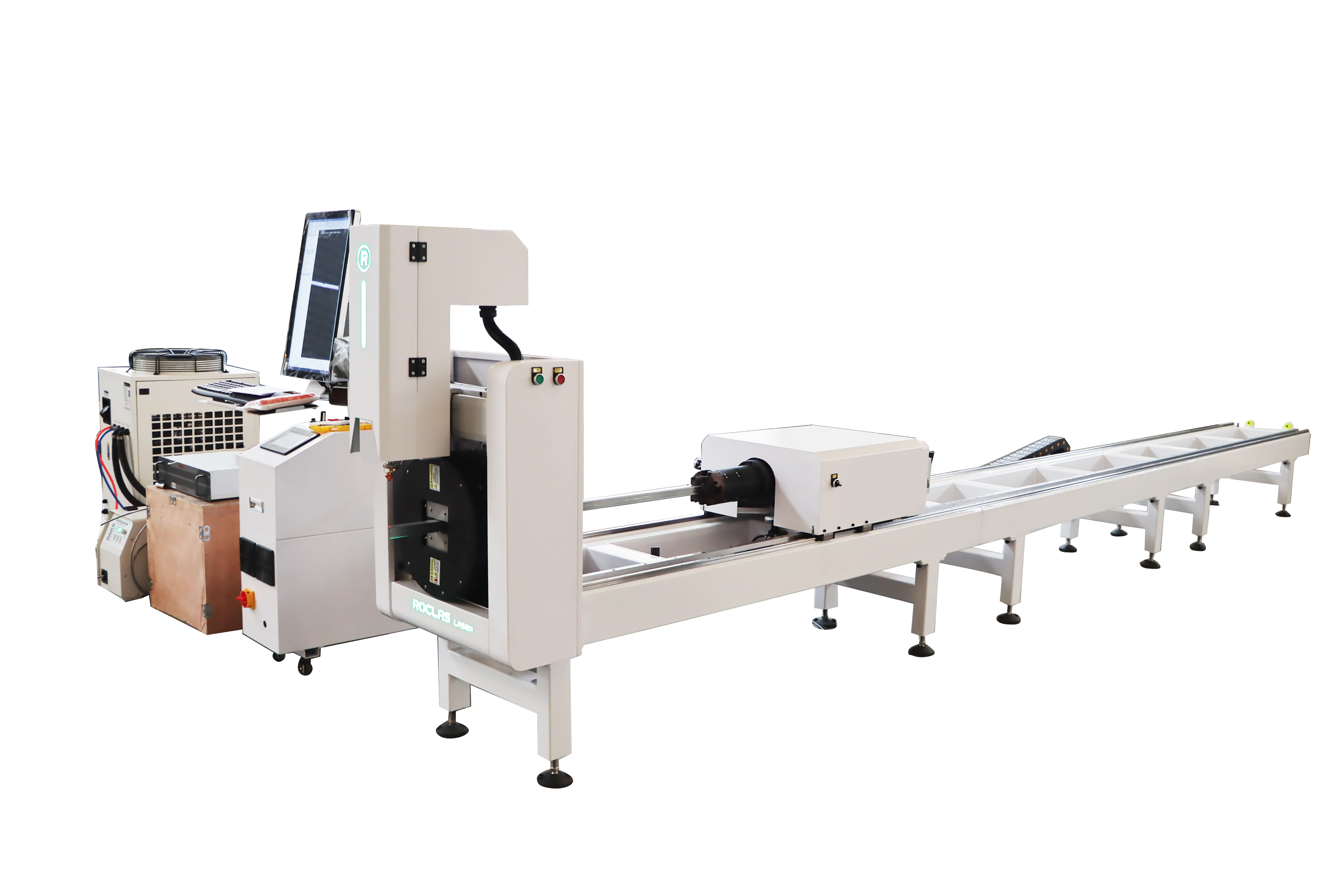
The convergence of automated coil-fed systems with high-power fiber laser cutting technology represents a significant evolution in sheet metal fabrication. Traditional press lines and standalone laser cutting machines are increasingly being supplemented—or replaced—by integrated Roll steel processing lines that combine uncoiling, leveling, feeding, and laser cutting into a continuous, automated workflow. This article examines the technical architecture, operational advantages, and market implications of such integrated lines, with particular reference to solutions offered by ROCLAS® MACHINERY CO., LTD. Data from recent industry surveys and technical benchmarks are analyzed to quantify the efficiency gains and cost reductions achievable through this approach.
---
Industry Background and the Case for Integration
For decades, sheet metal fabrication has relied on discrete processing steps: coil storage, manual or semi-automatic blanking, stacking, and then individual sheet feeding into laser cutting machines. This workflow, while functional, introduces significant inefficiencies—material handling labor, floor space consumption, and idle time between operations. The growing demand for high-volume, low-mix production, particularly in sectors such as automotive components, kitchen equipment, and steel structure manufacturing, has driven the need for more streamlined solutions.
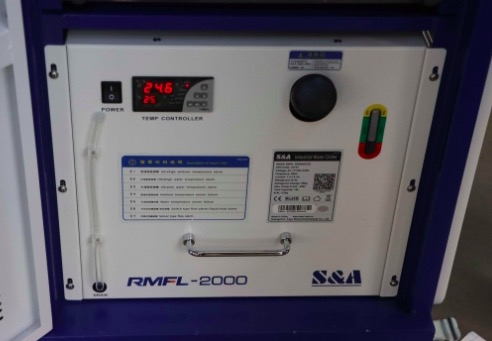
The roll steel processing line, which combines an automatic metal coil feeding system with a Fiber laser cutting machine, addresses these pain points directly. By feeding material directly from a coil into the laser cutting zone, the line eliminates the need for intermediate stacking and handling. The result is a continuous, high-throughput process that maximizes machine utilization and minimizes manual intervention.
Market Data and Comparative Analysis
To quantify the impact of this technology, we have compiled data from a cross-section of North American and European fabrication facilities that have adopted integrated roll steel processing lines versus those using conventional stand-alone laser cutting with sheet feeding. The following table summarizes key metrics from a 2023 industry benchmarking study.
| Metric | Stand-alone Laser (Sheet Feeding) | Integrated Roll Steel Processing Line | Improvement |
|--------|-----------------------------------|----------------------------------------|-------------|
| Material handling labor (hours per shift) | 4.2 | 0.8 | 81% reduction |
| Machine utilization rate (%) | 62 | 89 | +27 percentage points |
| Average cutting throughput (parts per hour) | 48 | 72 | 50% increase |
| Floor space requirement (sq. meters) | 180 | 110 | 39% reduction |
| Material waste rate (%) | 7.5 | 4.2 | 44% reduction |
| Energy consumption per part (kWh) | 1.8 | 1.3 | 28% reduction |
| Setup time between material changeovers (minutes) | 35 | 8 | 77% reduction |
The data reveals that integrated lines deliver substantial improvements across all operational dimensions. The 81% reduction in material handling labor is particularly striking, as it not only reduces direct labor costs but also minimizes the risk of workplace injuries associated with manual coil handling and sheet stacking. The increase in machine utilization—from 62% to 89%—reflects the elimination of idle time during coil changeovers and the ability to maintain continuous cutting operations.
Technical Architecture of the Integrated Line
A typical roll steel processing line comprises several key subsystems, each engineered for reliability and precision under high-volume conditions. At the front end, the Steel Coil Uncoiler Machine handles coils weighing up to several tons, with hydraulic expansion mandrels and automatic centering to ensure consistent feeding. The uncoiler feeds into a leveling system that flattens the material, compensating for coil curvature and residual stress. This is critical because any deviation in flatness will degrade cutting accuracy and increase the risk of collisions with the laser cutting head.
From the leveler, the material enters the fiber laser cutting machine itself. Here, the integration is seamless: the control system coordinates feeding speed with cutting head motion, allowing for continuous cutting of nested parts without stopping for sheet loading. The Cypcut 3000S control system, as used in ROCLAS® equipment, manages this coordination, optimizing the cutting path to minimize head travel and maximize material utilization.
ROCLAS® MACHINERY CO., LTD. has developed a particularly robust implementation of this architecture. Their roll steel processing line combines a heavy-duty uncoiler with a fiber laser cutting machine capable of power levels from 1000W to 20KW, depending on material thickness requirements. The machine bed, manufactured using a CNC five-face machining center, ensures the structural rigidity necessary to maintain positioning accuracy of ±0.03mm even under continuous high-speed operation. This precision is essential for applications such as automotive body panels and kitchen appliance components, where dimensional tolerances are tight.
Operational Advantages in Practice
The operational benefits observed in real-world installations extend beyond the metrics shown
Get a Quote
Regardless of whether you require general advice or specific support, we are happy to help you.
Recent Post
-
 Robotic Arm Laser Systems: Redefining Precision and Flexibility in Industrial ManufacturingAbstractThe integration of robotic arms with laser processing technologies represents a paradigm s...2026-07-06 16:30:57
 -
 The Ultimate Guide to High-Performance Fiber Laser Metal Cutting MachinesIntroductionFiber laser metal cutting machines have revolutionized the manufacturing industry with...2025-06-24 19:56:52
 -
 Understanding the Key Differences Between Fiber Laser and CO2 LaserIn the world of laser cutting and engraving, two types of lasers dominate the industry fiber laser...2025-03-30 09:31:59
 -
 The Ultimate Guide to Programmable Laser Cutters Revolutionizing Precision and EfficiencyIntroductionIn the realm of modern manufacturing and design, programmable laser cutters have emerg...2025-03-29 09:32:00
 -
 The Ultimate Guide to Steel Laser Cutting Techniques, Benefits, and ApplicationsIntroductionSteel laser cutting has revolutionized the manufacturing and fabrication industries, o...2025-03-24 08:31:07
 -
 Why Choose Roclas Fiber Laser Cutting for PED Components?IntroductionLaser cutting technology has revolutionized metal fabrication, offering unmatched prec...2025-06-16 07:49:19