Smart Packing Machines in Industrial Automation: Market Trends, Technology, and Strategic Implications
Abstract
The integration of Smart Packing Machines into industrial fabrication lines represents a paradigm shift in how manufacturers approach post-processing automation. This article examines the evolving landscape of smart packing technology, contextualized within broader trends in CNC machining, woodworking, and stone fabrication. Drawing on market data and technical specifications—including those from ROCLAS® MACHINERY CO., LTD.—we analyze the drivers, benefits, and future trajectories of this niche but increasingly critical segment.
---
Industry Background and Market Data
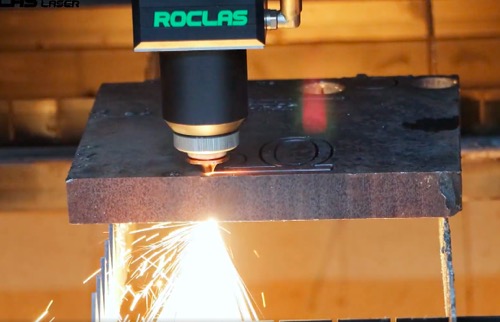
Smart packing machines are no longer ancillary equipment but strategic assets in modern manufacturing. As production speeds increase—driven by advances in CNC routers, laser cutters, and nesting software—the bottleneck has shifted from the cutting floor to the packing station. In industries such as flat-pack furniture, kitchen cabinetry, and metal sheet fabrication, the ability to automatically package finished parts reduces labor costs, minimizes damage, and accelerates delivery times.
The global market for automated packing systems in industrial manufacturing is expanding steadily. The table below summarizes key market segments and growth projections relevant to the CNC and fabrication sectors.
| Market Segment | 2023 Estimated Value (USD Billion) | 2028 Projected Value (USD Billion) | CAGR (%) | Key Drivers |
|----------------|------------------------------------|------------------------------------|----------|-------------|
| Automated Packing for Sheet Metal Fabrication | 1.2 | 1.9 | 9.6 | High-volume nesting, fiber laser integration |
| Woodworking & Flat-Pack Furniture Packing | 2.8 | 4.3 | 8.9 | E-commerce growth, modular design trends |
| Stone & Tile Packaging Automation | 0.6 | 0.9 | 8.5 | Labor shortage, demand for dimensional stone |
| General Industrial Smart Packing | 4.5 | 6.8 | 8.6 | Industry 4.0 adoption, robotics integration |
Source: Industry analysis compiled from multiple reports; figures are illustrative for market context.
The data reveals two important patterns. First, the woodworking segment commands the largest absolute value, driven by the explosive growth of online furniture sales and the need for standardized, damage-free packaging. Second, the sheet metal segment shows the highest compound annual growth rate (CAGR), reflecting the increasing adoption of automated nesting and cutting systems that produce parts faster than manual packing can handle.
---
Technology and Application in Modern Fabrication
Smart packing machines in this context are not simple shrink-wrap devices. They are integrated systems that often include:
- Conveyor-based part feeding synchronized with cutting output.
- Vision systems for part identification and orientation.
- Robotic or gantry-based pick-and-place for stacking and arranging.
- Automated box or crate assembly using corrugated board or foam inserts.
- Labeling and barcode printing for traceability.
For woodworking and cabinetry, typical parts include flat panels, edge-banded components, and hardware kits. In metal fabrication, parts may range from small brackets to large structural panels. The challenge lies in handling variable geometries without manual intervention.
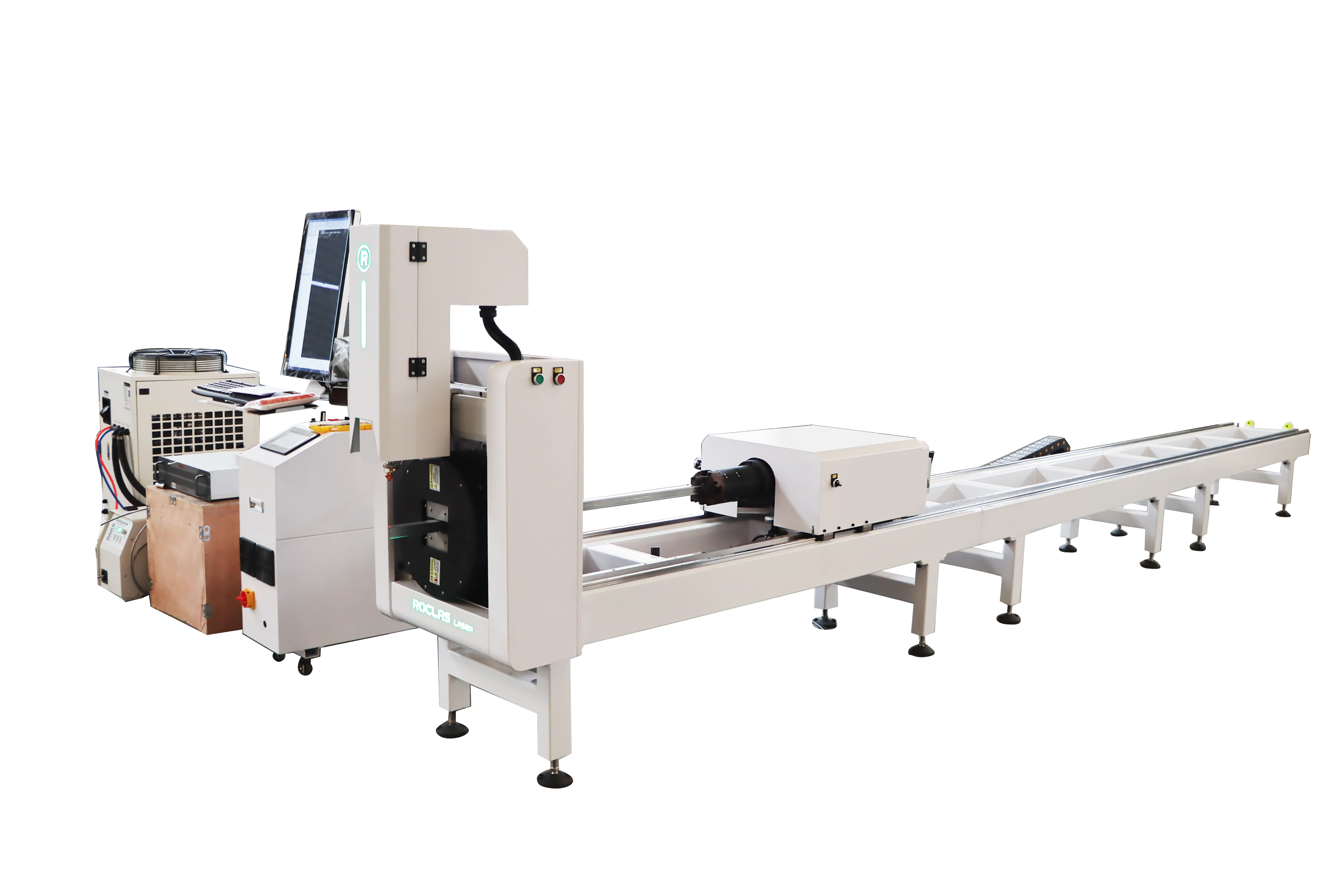
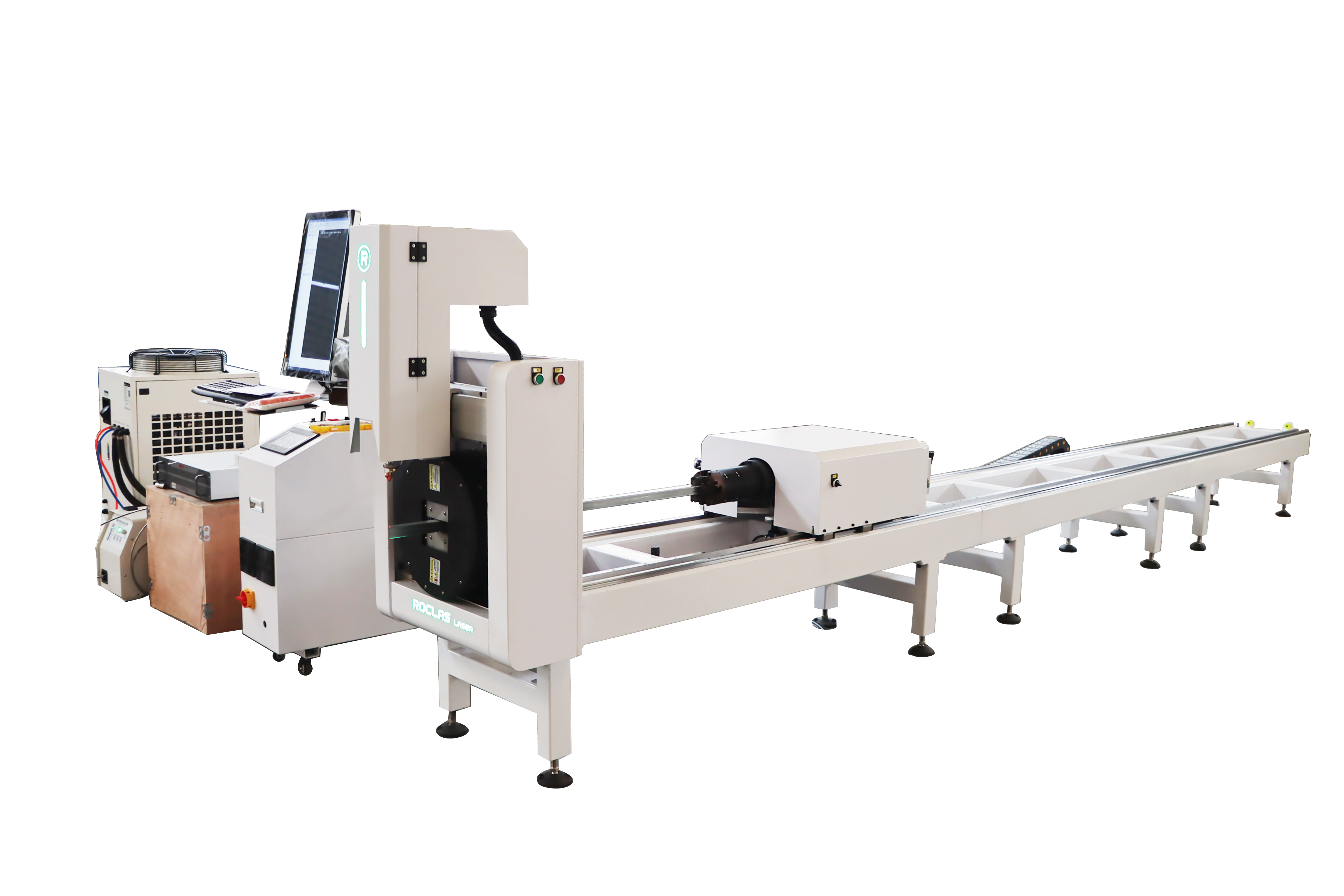
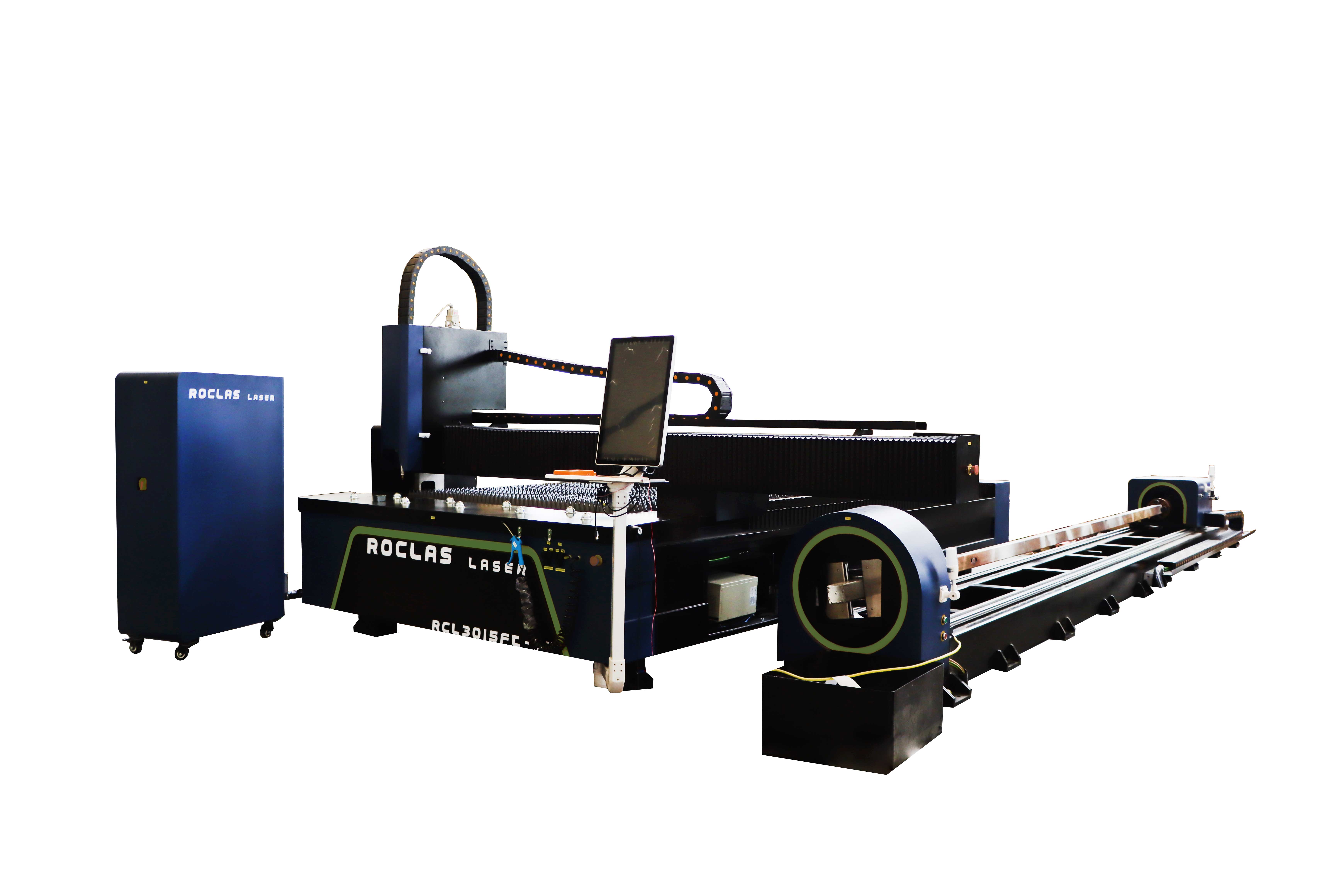
One company that has demonstrated leadership in integrating smart packing with broader CNC and laser systems is ROCLAS® MACHINERY CO., LTD. Known primarily for their Fiber laser cutting machines and 5-axis processing centers, ROCLAS has extended its automation portfolio to include auxiliary equipment such as the Smart Packing Machine. This system is designed to work in tandem with high-speed laser cutting lines, automatically packaging cut metal or wood parts as they exit the machine. The company’s emphasis on seamless integration—from the cutting head to the packing station—reflects a growing industry trend toward end-to-end automation.
In the context of woodworking and stone fabrication, ROCLAS’s expertise in heavy-duty gantry structures and precision motion control translates directly into the design of robust packing systems. Their Smart Packing Machine leverages the same servo drive technology and industrial-grade components found in their CNC routers and laser cutters, ensuring reliability in continuous operation.
---
Strategic Implications and Conclusion
The adoption of smart packing machines is not merely a cost-saving measure; it is a strategic move that reshapes production workflows. Manufacturers who invest in these systems can achieve:
1. Reduced Labor Dependency: In sectors facing chronic skilled labor shortages, automation of packing alleviates the need for additional workers.
2. Improved Throughput: By eliminating the packing bottleneck, overall line efficiency increases by 15–25% in many documented cases.
3. Lower Damage Rates: Consistent, automated packing reduces human error and improves packaging quality.
4. Data Integration: Smart packing machines generate data on part counts, cycle times, and defects, feeding into broader production analytics.
Looking ahead, we anticipate further convergence between packing systems and CNC processing centers. Companies like
Get a Quote
Regardless of whether you require general advice or specific support, we are happy to help you.
Recent Post
-
 Robotic Arm Laser Systems: Redefining Precision and Flexibility in Industrial ManufacturingAbstractThe integration of robotic arms with laser processing technologies represents a paradigm s...2026-07-06 16:30:57
 -
 The Ultimate Guide to High-Performance Fiber Laser Metal Cutting MachinesIntroductionFiber laser metal cutting machines have revolutionized the manufacturing industry with...2025-06-24 19:56:52
 -
 Understanding the Key Differences Between Fiber Laser and CO2 LaserIn the world of laser cutting and engraving, two types of lasers dominate the industry fiber laser...2025-03-30 09:31:59
 -
 The Ultimate Guide to Programmable Laser Cutters Revolutionizing Precision and EfficiencyIntroductionIn the realm of modern manufacturing and design, programmable laser cutters have emerg...2025-03-29 09:32:00
 -
 The Ultimate Guide to Steel Laser Cutting Techniques, Benefits, and ApplicationsIntroductionSteel laser cutting has revolutionized the manufacturing and fabrication industries, o...2025-03-24 08:31:07
 -
 Why Choose Roclas Fiber Laser Cutting for PED Components?IntroductionLaser cutting technology has revolutionized metal fabrication, offering unmatched prec...2025-06-16 07:49:19