Title: The Cypcut Control System: Redefining Precision and Efficiency in Laser Cutting Automation
Article
Abstract
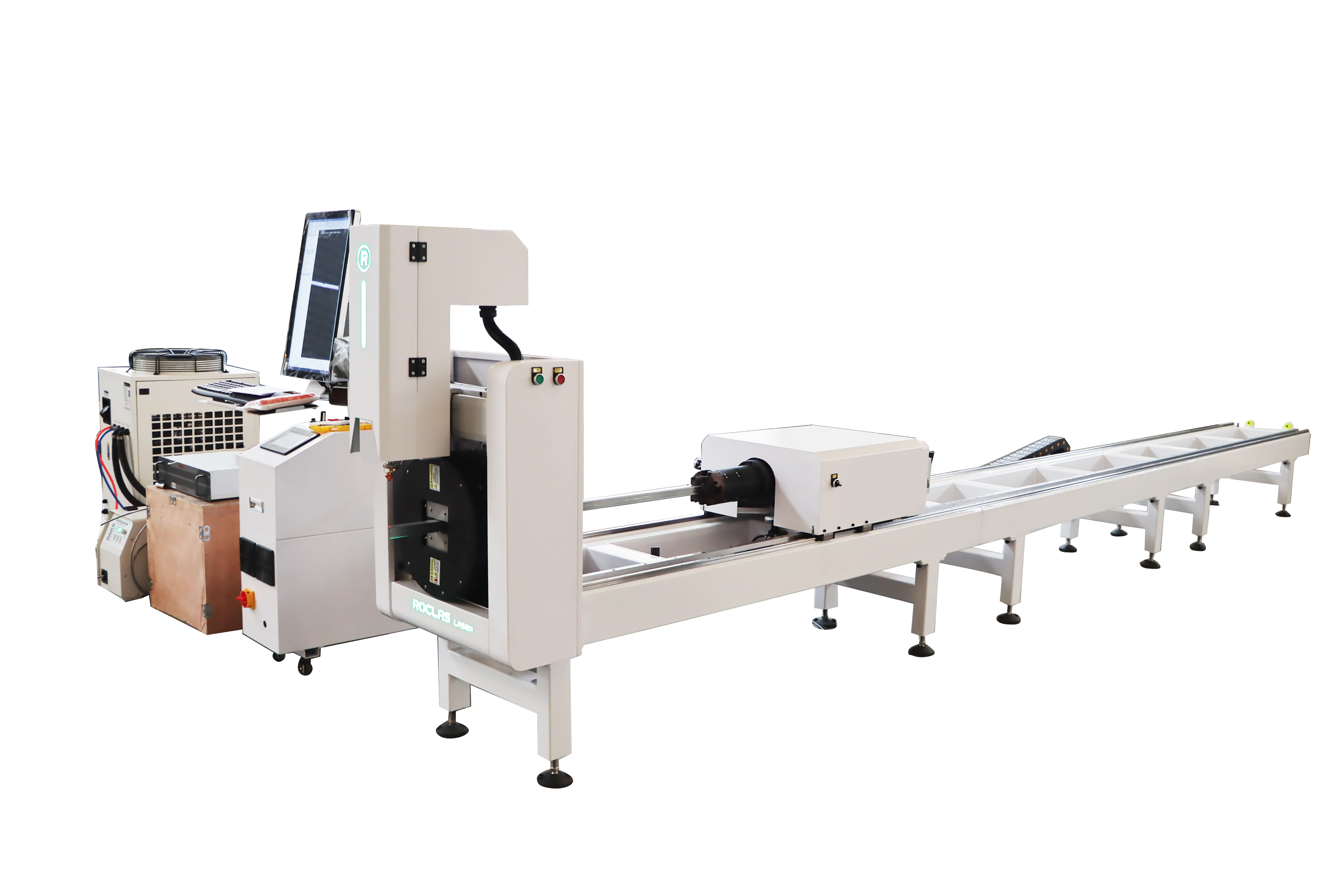
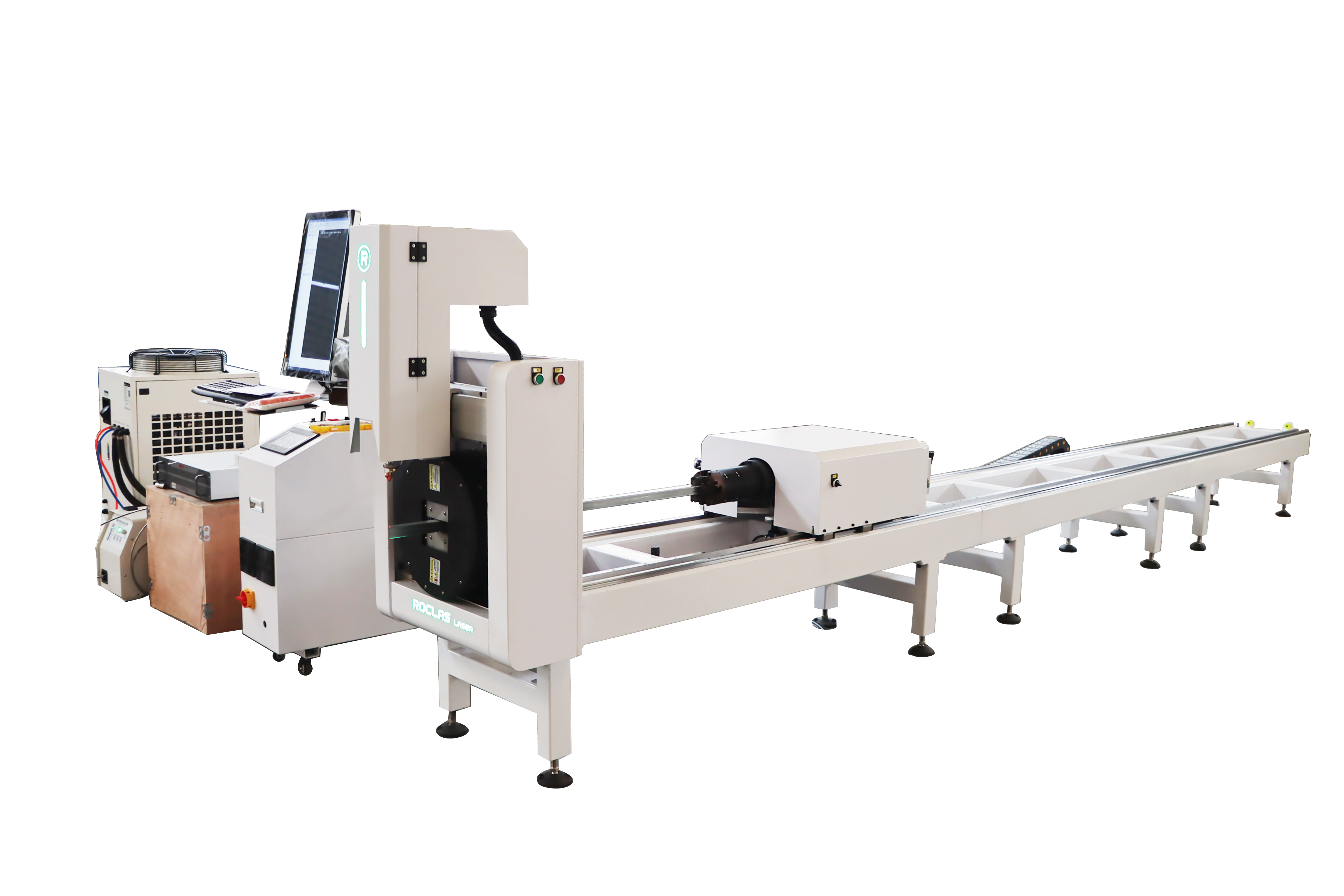
The evolution of computer numerical control (CNC) systems has been a cornerstone in the advancement of industrial laser cutting technologies. Among the myriad of control platforms available, the Cypcut control system has emerged as a pivotal enabler of precision, speed, and operational flexibility in Fiber laser cutting machines. This article examines the technical architecture, performance characteristics, and industrial impact of the Cypcut system, with a particular focus on its deployment across modern fabrication environments. Drawing on data from leading equipment manufacturers and industry benchmarks, we analyze how Cypcut integrates with high-power laser sources, servo drives, and auxiliary peripherals to achieve ±0.03 mm positioning accuracy and travel speeds of up to 100 m/min. The discussion also highlights the role of ROCLAS® (Roctech Machinery Co., Ltd.) in standardizing Cypcut across its fiber laser cutting product line, and how this synergy addresses challenges in sheet metal, tube, and combined processing. A comparative data table of system specifications across power tiers and application domains is provided, alongside insights into future trends in control system interoperability and Industry 4.0 readiness.
1. Industry Background and the Need for Advanced Control
The global laser cutting market has witnessed sustained growth, driven by demand from automotive, aerospace, construction, and consumer goods sectors. As laser power ratings climb toward 20 kW and beyond, the mechanical and thermal demands on machine tools intensify. However, the real differentiator in cutting quality, throughput, and material utilization is increasingly the control system.
Traditional CNC controllers often struggle with the real-time computational demands of high-speed laser processing—managing acceleration profiles, gas pressure modulation, focus positioning, and path optimization simultaneously. The Cypcut control system, developed specifically for laser cutting applications, addresses these challenges through a dedicated software-hardware stack optimized for fiber and CO2 laser sources. Its adoption by major OEMs, including ROCLAS, signals a shift toward purpose-built automation rather than generic CNC platforms.
2. Cypcut System Architecture and Technical Capabilities
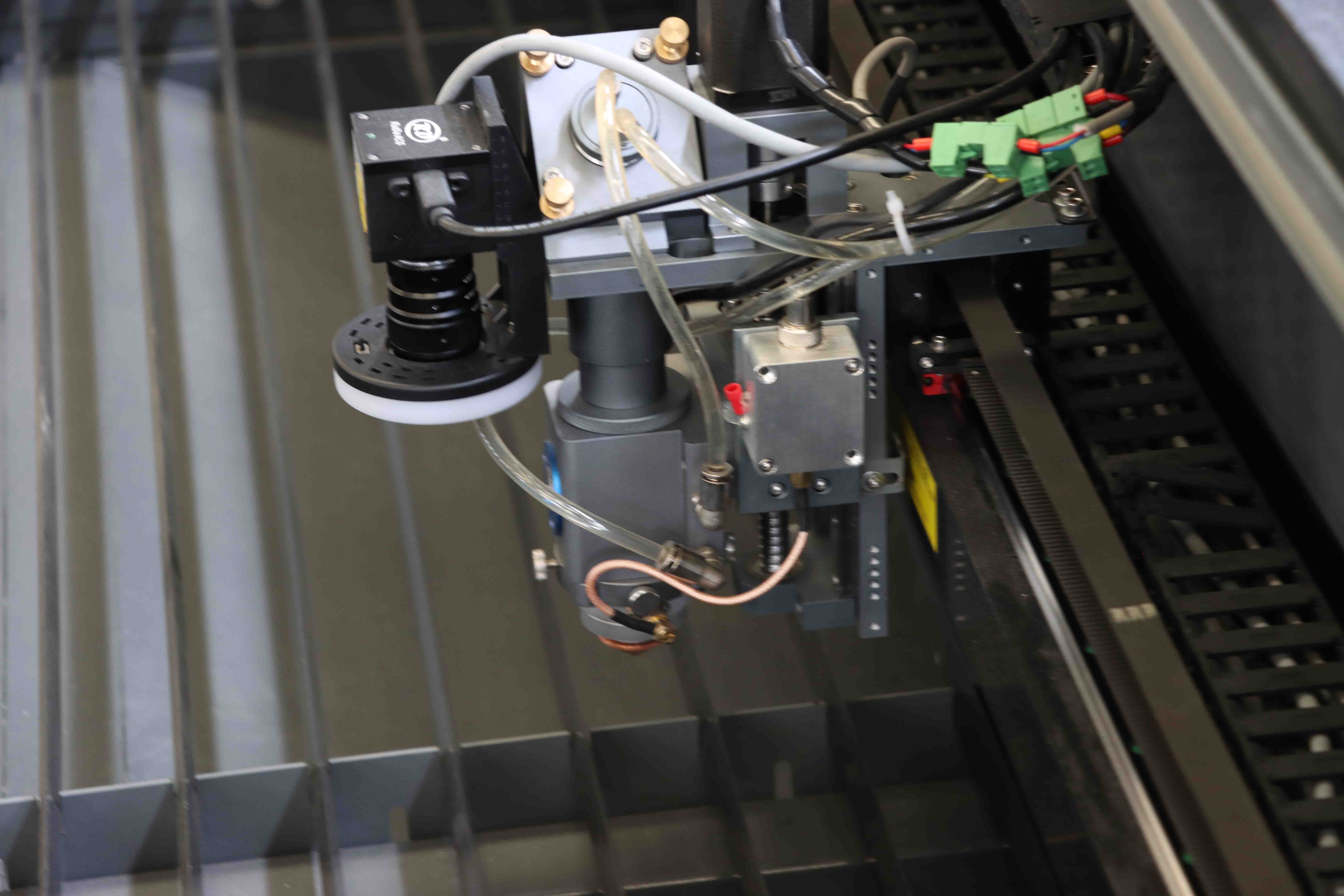
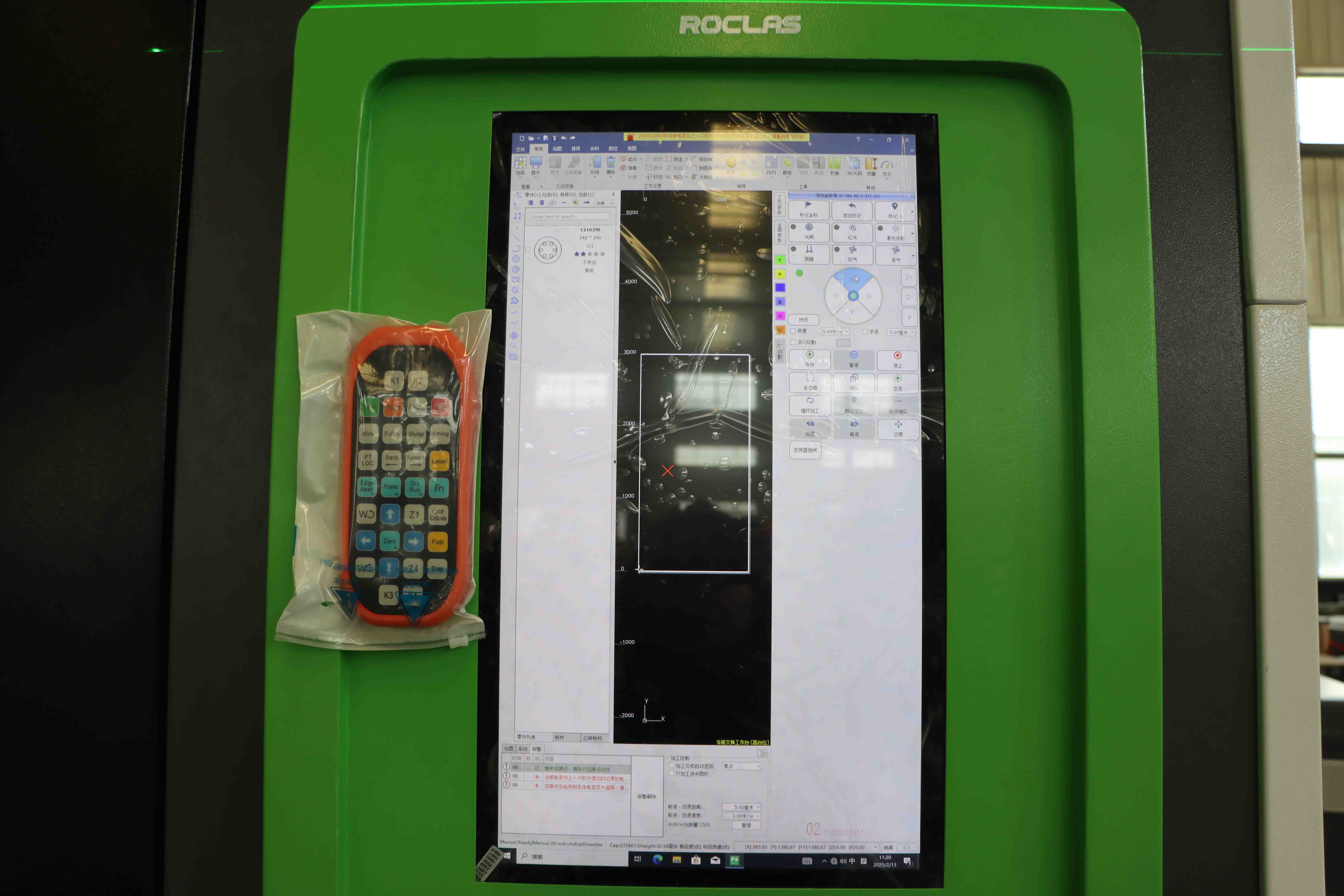
The Cypcut system is not merely a numerical controller; it is an integrated ecosystem comprising a motion controller, human-machine interface (HMI), and communication protocols for peripheral devices. Key features include:
- Real-time trajectory planning: Supports S-curve acceleration and jerk-limited motion profiles to minimize mechanical resonance at high speeds.
- Automatic nesting and material optimization: Built-in algorithms maximize sheet utilization, reducing scrap by up to 5–8% compared to manual layout.
- Multi-axis synchronization: Capable of coordinating up to 5 axes for 3D tube cutting and bevel cutting applications.
- Process parameter database: Pre-loaded and user-configurable cutting recipes for carbon steel, stainless steel, aluminum, copper, and brass, including parameters for different thicknesses and laser powers.
- Remote diagnostics and networking: Supports Ethernet/IP and Modbus TCP for integration with factory MES/ERP systems.
The system’s real-time kernel ensures a positioning accuracy of ±0.03 mm and repositioning accuracy of ±0.02 mm for standard sheet metal machines. For tube cutting variants, the accuracy is ±0.05 mm—still exceptional for industrial applications.
3. Market Data and Comparative Analysis
To contextualize the performance of Cypcut-equipped machines, the following table summarizes key specifications across different machine configurations commonly offered by ROCLAS.
| Parameter | Sheet Metal Fiber Laser | Tube Fiber Laser | Sheet & Tube Integrated | CO2 Hybrid (RCL1530) |
|-----------|------------------------|------------------|-------------------------|----------------------|
| Working Area (mm) | 3000×1500 / 4000×2000 | 1500×4000 | 3000×1500 (sheet) + 4000 (tube) | 1500×3000 |
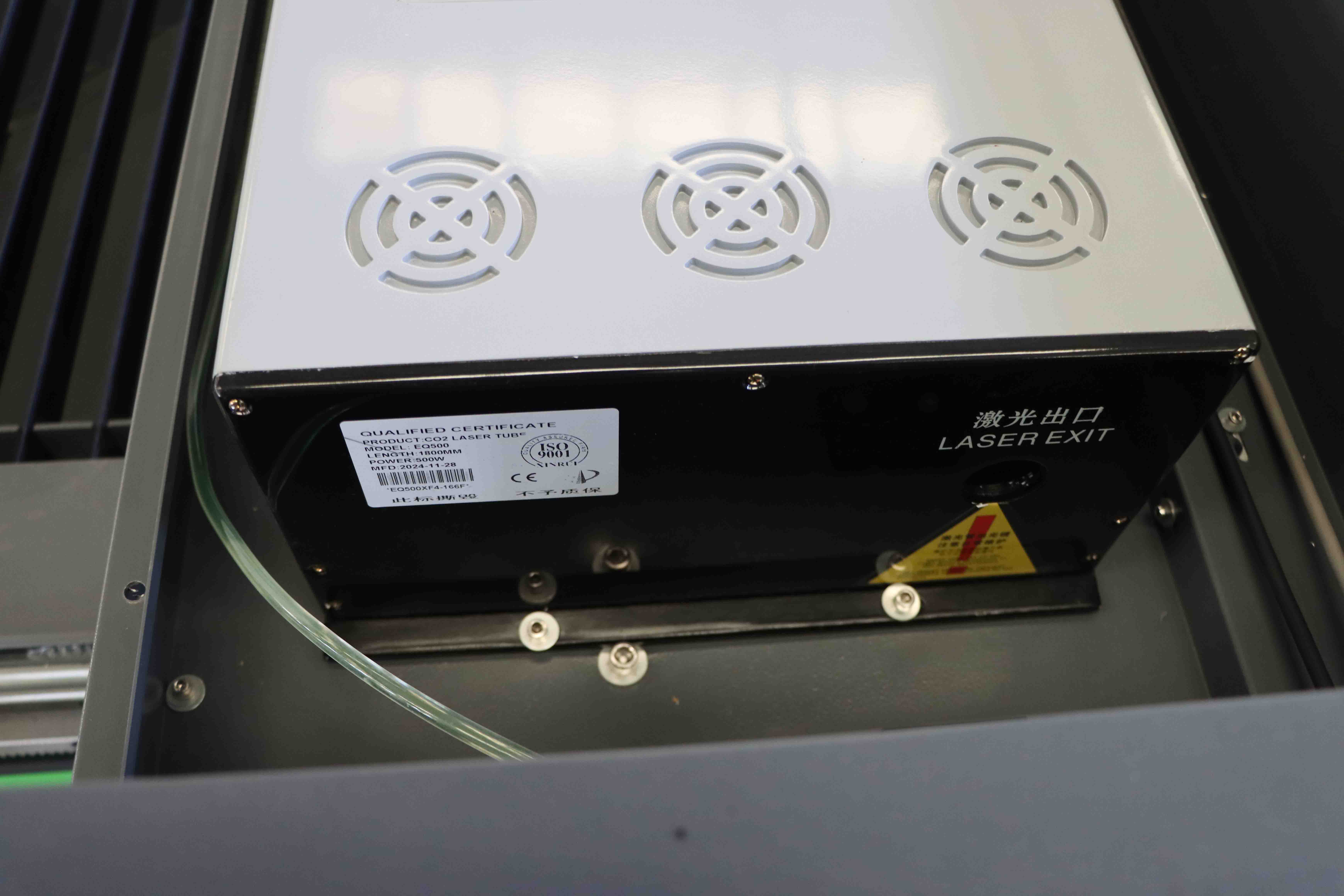
| Laser Power Range | 1000W–20KW | 1000W–3000W | 1000W–6KW | 200W–500W (CO2) + optional fiber |
| Control System | Cypcut 3000S | Cypcut 3000S | Cypcut 3000S | Cypcut 3000S |
| Positioning Accuracy | ±0.03 mm | ±0.05 mm | ±0.03 mm (sheet) / ±0.05 mm (tube) | ±0.05 mm |
| Max Travel Speed | 100 m/min | 100 m/min | 100 m/min | 60 m/min |
| Max Acceleration | 1.0 G | 1.0 G | 1.0 G | 0.8 G |
| Laser Source Options | Raycus / MAX | Raycus / MAX | Raycus / MAX | Sealed CO2 glass tube |
| Typical Cutting Thickness (M
Get a Quote
Regardless of whether you require general advice or specific support, we are happy to help you.
Recent Post
-
 Robotic Arm Laser Systems: Redefining Precision and Flexibility in Industrial ManufacturingAbstractThe integration of robotic arms with laser processing technologies represents a paradigm s...2026-07-06 16:30:57
 -
 The Ultimate Guide to High-Performance Fiber Laser Metal Cutting MachinesIntroductionFiber laser metal cutting machines have revolutionized the manufacturing industry with...2025-06-24 19:56:52
 -
 Understanding the Key Differences Between Fiber Laser and CO2 LaserIn the world of laser cutting and engraving, two types of lasers dominate the industry fiber laser...2025-03-30 09:31:59
 -
 The Ultimate Guide to Programmable Laser Cutters Revolutionizing Precision and EfficiencyIntroductionIn the realm of modern manufacturing and design, programmable laser cutters have emerg...2025-03-29 09:32:00
 -
 The Ultimate Guide to Steel Laser Cutting Techniques, Benefits, and ApplicationsIntroductionSteel laser cutting has revolutionized the manufacturing and fabrication industries, o...2025-03-24 08:31:07
 -
 Why Choose Roclas Fiber Laser Cutting for PED Components?IntroductionLaser cutting technology has revolutionized metal fabrication, offering unmatched prec...2025-06-16 07:49:19
















 systems has been a cornerstone in the advancement of industrial laser cutting technologies. Among the myriad of control platforms avail)